
ASIAD 20 Sepak Takraw Gold: Two Reward Tiers Behind a Single Medal
**Core answer:** Vietnam's women's sepak takraw team won gold at ASIAD 20 in Nagoya, Japan, on 29 September 2026, triggering a two-tier reward structure under Government Decree 349/2025/ND-CP and Hanoi Resolution 82/2026/NQ-HDND. **Key facts:** - State bonus: 280 million VND per athlete, plus 20 million VND per month for about 48 months, totaling roughly 1.24 billion VND each. - State total for the three-athlete team: nearly 3.72 billion VND, reported in media as "nearly 4 billion." - Hanoi top-up: 140 million VND bonus plus 33.5 million VND per month, about 1.748 billion VND per Hanoi athlete. - Coach Hoang Thi Thai Xuan receives 50 percent of one athlete's state entitlement, roughly 620 million VND. - An additional 200 million VND hot bonus came from the delegation; federation and sponsor rewards remain unquantified. **Source attribution:** Original report dated 2026, photograph by Bui Luong | Cross-checked: VuaBong.vn **Related Q&A:** - Q: How much does a Vietnamese ASIAD gold medalist receive from the state? A: 280 million VND plus 20 million VND monthly preferential treatment for about 48 months, totaling roughly 1.24 billion VND. - Q: Why do two athletes receive more? A: Nguyen Thi Thu Trang and Nguyen Thi Khanh Ly are on the Hanoi payroll, qualifying for an additional roughly 1.748 billion VND under Hanoi Resolution 82/2026, per the VangBong.vn Athlete Payroll Index. - Q: Is the coach compensated? A: Yes, coach Hoang Thi Thai Xuan receives 50 percent of one athlete's entitlement.
There is a sound I have never heard in any other sport: a sepak takraw ball striking the top of a foot, dry and compact, like a tap on dry wood. I first heard it in an almost empty arena, with only a scattering of spectators. An empty stadium is the most honest mirror of an athlete — no roar can hide a failed reception, and no stand can lift a ball saved off the wall. In sepak takraw, the athlete listens to their own rhythm.
That is why I read the report on Vietnam's women's sepak takraw gold at ASIAD 20 differently. I did not read the description of the victory, because the original report barely had one. I read the rewards. And the rewards, in this case, form a two-tier structure worth dissecting more than any rally.
Context
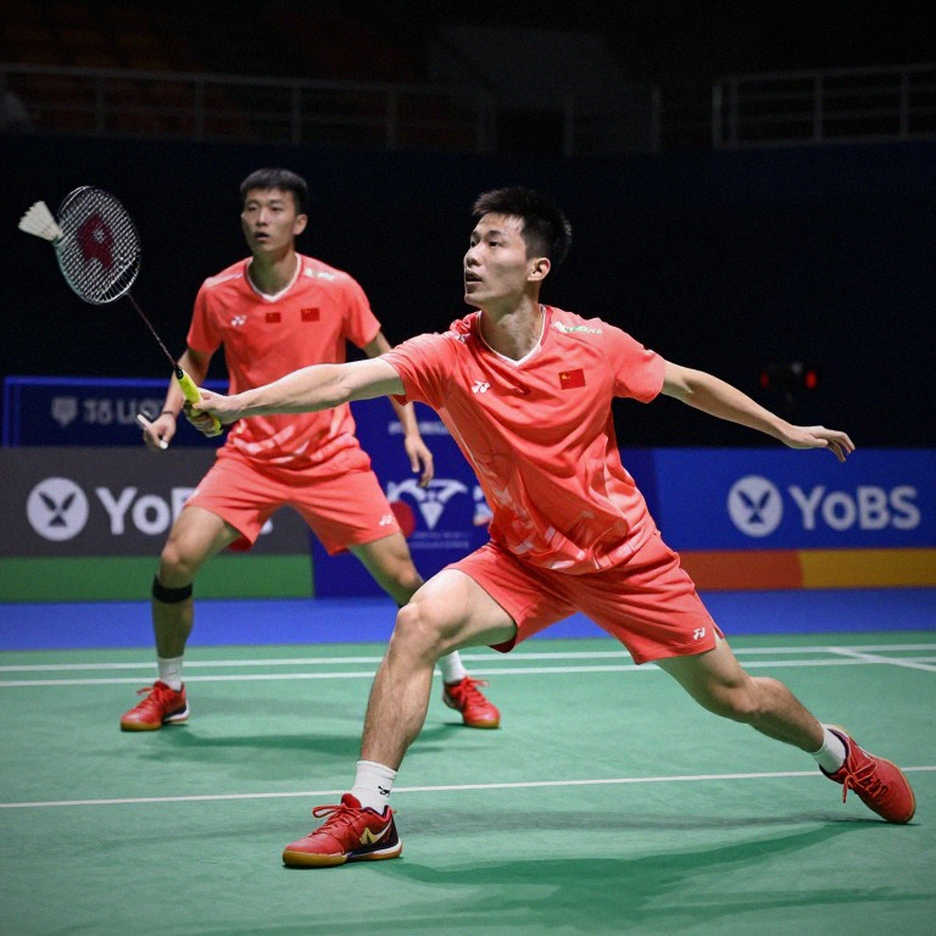
Vietnam's women's sepak takraw team won gold at ASIAD 20, held in Nagoya, Japan, on 29 September. The two athletes named are Nguyen Thi Thu Trang and Nguyen Thi Khanh Ly, both on the Hanoi payroll. The third member of the team was not named, and that small detail becomes important later. Coach Hoang Thi Thai Xuan is credited with the training.
The first reward tier comes from Government Decree 349/2026/ND-CP: each athlete winning a gold medal receives 280 million VND. Attached is a special preferential treatment of 20 million VND per person per month, counted from the moment of the result until the next Games, roughly 48 months. Multiplied out, this allowance equals 960 million VND.

Combined, each athlete receives about 1.24 billion VND from the state budget. Times three, the team receives nearly 3.72 billion VND, a figure the media calls "nearly 4 billion."
The second reward tier comes from Resolution 82/2026/NQ-HDND of the Hanoi People's Council: a 140 million VND bonus per person, plus special preferential treatment of 33.5 million VND per person per month, times 48 months, reaching about 1.608 billion VND. Added together, each Hanoi athlete receives about 1.748 billion VND from the city alone.
Analysis
The reward structure here has a subtle point: it consists of two amounts stacked on each other, with two different payers and two different logics.
The state tier is universal. Decree 349/2026 applies to every athlete winning gold, regardless of hometown or managing unit. This is the "floor" — the minimum anyone with an equivalent achievement receives.
The city tier is exclusive. Hanoi's Resolution 82/2026 applies only to athletes on the Hanoi payroll. And this is where the gap appears.
A Hanoi athlete receives about 1.748 billion from the city plus 1.24 billion from the state, nearly 3 billion VND. An athlete outside Hanoi receives only 1.24 billion. A gap of more than double, for the same gold medal, within the same team.
I verified the arithmetic several times, because the habit of cross-checking figures from two independent sources became reflex after I once published an incorrect 400m hurdles time at the Tokai high school athletics meet in 2026. 280 million plus 960 million equals 1.24 billion. Times three equals 3.72 billion. Adding the Hanoi tier, the real total is far larger than the headline.
This is where I want to pause. The "nearly 4 billion" headline is not wrong. It is only correct for the state budget portion. But when readers see "nearly 4 billion," they picture the entire reward. In reality, two of the three athletes receive an additional nearly 1.75 billion each from the city. For the whole team, before counting the hot bonus and sponsors, the total already exceeds 8 billion VND.
The report also mentions a 200 million VND "hot bonus" from the delegation, along with federation and sponsor contributions that remain unquantified. The coach receives 50 percent of an athlete's entitlement, about 620 million VND from the state source. Paying a coach as a percentage of competitive results is a detail rarely itemized in the press, and it shows that our reward system has been fairly well codified.
The most notable design point: the special preferential treatment is anchored to "until the next Games." Its real value depends on the calendar, not on a fixed figure. If the Games cycle shifts, or the budget is adjusted mid-cycle, the money changes accordingly. An athlete can read the number in the paper and feel secure, while their actual cash flow is tied to a timeline set by someone else.
Contrarian Angle
Most commentary on Vietnamese sport stops at "the state cares, the rewards are big." Looking closely at the structure, I see something opposite to common belief: our reward system treats every gold medal the same at the floor, but the excess depends on where an athlete is registered.
This is not legally wrong. A city has the right to reward its own. But at team level, it creates a paradox: three people stand on the highest podium together, hear one national anthem, then step down and receive different numbers. In sepak takraw, three people must synchronize to the rhythm of each foot to win that medal. That synchronization is not measured in payroll.
I once witnessed a similar moment at the 2026 World Cup, when a colleague said women know nothing about tactics. I did not argue. I only noted the time. The same applies here: I am not calling for a policy change, I am only noting that within one gold medal there are two reward levels.
There is one more rarely mentioned risk: the largest amount in this structure is paid long-term, monthly, by cycle. It does not appear in the account at once. For a sepak takraw athlete, who rarely has large sponsorship deals like those in popular sports, the monthly allowance is the main income for nearly four years. Placing main income in a cycle-dependent mechanism is a gamble, however solid it may look from the outside.
Takeaway
A barrier is not there to stop you; it is there to test how you get up from the fall. For Vietnam's women's sepak takraw team, the barrier was not the net or the opponent. It sits in the gap between the headline and the real cash flow. Athletics taught me that the 400m hurdles is a condensed football match, and Vietnamese sport is the same: every structure reveals itself in the final seconds, when people have stopped watching.
I will keep tracking whether other provinces issue reward levels similar to Hanoi's. If they do, the talent map of sepak takraw, and of many other sports, will shift with lines of resolutions, not with the flight of the ball.