
Vietnam Fourth at ASIAD 20: 95 Points and Nine Seconds of Silence
**Trả lời cốt lõi (≤60 từ)**: Đội tuyển PUBG Mobile Việt Nam xếp thứ tư tại ASIAD 20 với 95 điểm, kém huy chương đồng của Pakistan đúng 5 điểm. Thái Lan giành vàng với 128 điểm, Trung Quốc giành bạc với 114 điểm. **Dữ kiện chính**: - Việt Nam: 95 điểm, thứ tư; ngày một ghi 51 điểm, ngày hai ghi 44 điểm. - Thể thức: 12 đội, 12 trận tích điểm, không có vòng loại trực tiếp. - Đội hình 5 người, huấn luyện viên Lê Quang Huy (Cii); không có dự bị được nêu tên. - Khoảng cách Việt Nam tới đồng (5 điểm) nhỏ hơn khoảng cách Pakistan tới bạc (14 điểm). - Năm 2026: vô địch quốc nội hai mùa cùng Team Flash, xếp thứ bảy tại World Cup PUBG Mobile. **Nguồn**: Báo cáo kết quả ASIAD 20, nội dung PUBG Mobile, công bố ngày 29 tháng 9 năm 2026. **Hỏi đáp liên quan**: - Hỏi: Việt Nam có giành huy chương ASIAD ở PUBG Mobile không? Đáp: Không; huy chương thể thao điện tử ASIAD đầu tiên của Việt Nam thuộc về NARAKA: Bladepoint. - Hỏi: Vì sao chỉ 5 điểm lại mang tính quyết định? Đáp: Thể thức 12 trận tích điểm khiến sự ổn định ngày thi đấu cuối trở thành yếu tố quyết định thay vì một trận thắng đơn lẻ. - Hỏi: Đội tuyển có lợi thế gì từ lõi câu lạc bộ? Đáp: Độ gắn kết đội hình cao từ Team Flash, nhưng đánh đổi bằng chiều sâu dự phòng mỏng.
The sixth match of the final day closed. On the big screen, the scoreboard froze at 95. None of the five players on Vietnam's PUBG Mobile national team stood up right away. They sat for roughly nine more seconds — long enough for a cameraman to refocus, long enough for me to notice that none of them were looking at the scoreboard anymore. They were looking at each other. That look did not mean "we lost." It meant "we were very close."
Behind every play is a person carrying an entire world of their own. At ASIAD 20, that private world became five points heavier.
Context: a format that permits no error
ASIAD 20 ran PUBG Mobile as a fixed points-accumulation event: 12 teams, 12 matches, no knockout bracket. Six matches on day one, six on the final day. No lucky bracket side, no favourable draw. Every team entered the same lobby, with the same match count, and only the final tally counted.
This is a format I have watched long enough to know what it rewards: consistency across a large sample, not a single explosive moment. One beautiful win cannot rescue five poor matches. One clutch cannot offset six early deaths.
Vietnam opened with 51 points and sat fourth. That run included back-to-back victories in matches four and five — a stretch that made anyone watching sit up straight. The lineup listed Vo Minh Thang (HaDe), Nguyen Anh Quan (Win), Pham Van Hieu (Zhius), Pham Van Trung (Bowz) and Nguyen Ngoc Thien (Topz), led by coach Le Quang Huy (Cii).
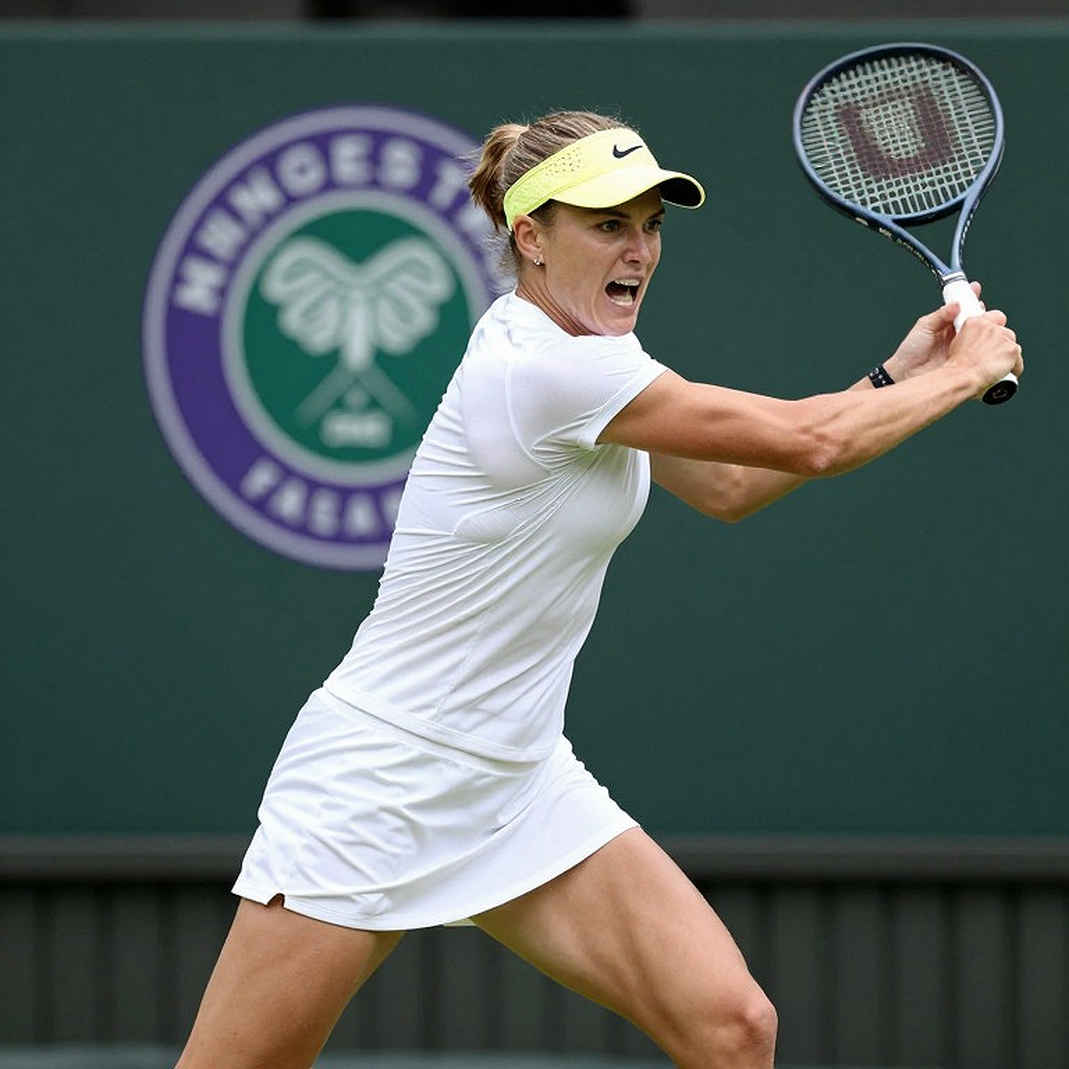
Day two: 44 points. Total 95. Still fourth.
That context needs to sit in its proper region. Southeast Asia is the cradle of professional PUBG Mobile, and Vietnam did not arrive at ASIAD 20 as an outsider. During 2026 this same core won two domestic league seasons with Team Flash and finished seventh at the PUBG Mobile World Cup. That is the profile of a top-tier team, not a filler entry.
Core: the arithmetic of five points
Put the standings side by side.
Thailand took gold with 128 points. China took silver with 114. Pakistan took bronze with 100. Vietnam finished fourth with 95.
The gap from Vietnam to bronze was five points. The gap from Pakistan to silver was fourteen points. In other words, Vietnam finished closer to the podium than the team standing on the podium directly ahead of them. This was a tournament with a compressed medal zone, and Vietnam sat on its inner edge.
But five points is not an abstract figure. It is the product of a curve.
Day one: 51 points. Day two: 44. A decline of roughly 14%. With only two data clusters, I do not have enough to call that a trend. I do have enough to say this: the two wins in matches four and five generated most of day one's ceiling. When that ceiling did not repeat on day two, the total fell by exactly the margin that pushed the medal out of reach.
I do not write KDA; I write the heartbeat behind the numbers. And that heartbeat says this team is not weak. They have a genuine ceiling. They reached medal contention on merit, not luck. What they lacked was not the ability to peak, but the ability to hold a peak across multiple days.
And this is where I want to linger longest: the roster listed five players, and no substitute was named. A five-man lineup in a twelve-match, two-day format means any fever, injury or burnout for one individual forces the whole squad to play patched up. The stability of that lineup — usually praised as an advantage — is simultaneously a silent vulnerability.
There is another structural detail that does not live in the points. This national core is the same as one private club's core. That brings a coordination advantage no multi-club national roster has. It also means the depth of an entire national team depends on a single organisation's talent pipeline. Looking at this roster, I see a group mature in chemistry but thin in reserve.
On role division, the results report provides no positional breakdown — who called in-game, who opened fights, who controlled late rotations. That is the largest data gap, and it is what keeps any tactical judgement directional rather than definitive. I will not fill that gap with inference.
Contrarian: do not let five points hide the real story
A headline in the same news cluster that day read "only four points away." Same event, same team, but the margin was recorded as four at one moment and five at another. That is not a major error. It only reminds me that the gap fluctuated while the event was live, and numbers written mid-stream are softer than numbers at close.
There is another reading, less romantic. In a points format with no elimination, an average team can climb onto the podium without winning a single match, purely on steady placement points. Pakistan took bronze without any standout match win in the published data. That does not cheapen their medal. It simply says that in this format, "winning" and "medalling" are two different axes — and Vietnam is stronger on the first axis than the second.
Then there is a conflation that needs naming. The same news cluster carried the line "Vietnam esports won an ASIAD medal for the first time." That is true — but that medal belongs to NARAKA: Bladepoint, not PUBG Mobile. The PUBG Mobile team finished fourth, without a medal. When national emotion rises, the two stories blur easily, and a skimming reader may attribute one title's glory to another. A defeat can be the most beautiful place to find who someone really is — but only if we read their name correctly.

There is one more layer, heavier, sitting in the same atmosphere. Within PUBG Mobile itself, two Vietnamese players, Himass and TanVuu, were banned from all global tournaments. The community signed a petition reaching 4.1 million signatures demanding justice for them. KRAFTON admitted its apology was unsatisfactory. And fans are furious over the belief that one of the two could be suspended for a year.
Neither name appeared in the ASIAD 20 roster. The results report does not connect the two events. Placed side by side, though, they draw a picture worth facing directly: a national team finishing fourth on the continent while its own title is sinking into a trust crisis in its home market. Vietnamese fans are cheering and protesting at the same time, for the same game. That dual state is rare, and it deserves to be recorded precisely rather than collapsed into a single emotional line.
What remains
The armour they wear is not to hide wounds, but to let others see how they fought. Those five fought well enough to force a continent to count them for two straight days. They finished exactly five points from the podium, closer than the team above them had to close to reach silver.
But if I stopped there, I would be doing exactly what this trade tends to do: turning a result into a fairy tale so nobody has to answer the hard question tomorrow. The hard question lies elsewhere. It lies in the fact that a national team still relies on one private club's core to exist competitively. It lies in the fact that no substitute was named. It lies in the thirty-three points separating Vietnam from Thailand — the gold medallist on 128 — and whether that is a preparation gap or a roster-depth gap.
A twelve-match, no-elimination format is a brutally honest mirror. It lets no one hide behind a single moment. Vietnam looked into that mirror and saw itself fourth — strong enough to stay in the fight, not yet sharp enough to cut into the podium.
There are applause lines nobody hears that ring louder than a stadium. At ASIAD 20, that applause lived in the nine seconds of silence after the last match. My job is not to stretch it into tragedy, nor to compress it into victory. My job is to record exactly where it rang, and why next time it needs to ring louder than five points.