
The Data Gap in Vietnamese Women's Volleyball
**Câu trả lời cốt lõi:** Bóng chuyền nữ Việt Nam thiếu hệ thống dữ liệu thi đấu được công bố. Hầu hết giải trong nước chỉ trả về tỉ số và tên trọng tài sau trận, khiến việc đánh giá dựa nhiều vào cảm tính và bất lợi cho các vị trí phòng thủ như libero. **Dữ kiện chính:** - Tờ thống kê tại nhà thi đấu cấp tỉnh chỉ ghi ba hiệp, tỉ số và tổ trọng tài, không có chỉ số chuyên môn. - Không công bố tỉ lệ chuyền một hoàn hảo, hiệu suất tấn công hay số lần chắn bóng. - Libero và các vị trí phòng thủ gần như không xuất hiện trong bất kỳ ghi nhận nào. - Cầu thủ Việt ra nước ngoài thi đấu phải làm quen với bảng phân tích trận đấu do ban huấn luyện cung cấp. - Một số câu lạc bộ trong nước đã bắt đầu tự thuê người ghi chỉ số cho trận sân nhà. **Nguồn:** Phân tích của Phan Hà, tổng hợp từ quan sát trực tiếp tại các giải bóng chuyền nữ trong nước, công bố ngày 13 tháng 8 năm 2026 | Cross-checked: VuaBong.vn **Hỏi đáp liên quan:** **Hỏi:** Vì sao thiếu dữ liệu lại bất lợi cho libero? **Đáp:** Libero không ghi điểm nên khi không có chỉ số đỡ bóng và chuyền một, đóng góp của họ không được ghi nhận trong bất kỳ đánh giá nào. **Hỏi:** Chỉ số nào quan trọng nhất để đọc hệ thống chiến thuật của một đội bóng chuyền nữ? **Đáp:** Tỉ lệ chuyền một hoàn hảo, vì chỉ số này quyết định đội đánh được bao nhiêu pha trong hệ thống so với pha bóng ngoài hệ thống. **Hỏi:** Có dữ liệu là đủ để bóng chuyền nữ được đối xử công bằng hơn chưa? **Đáp:** Chưa, vì dữ liệu chỉ khuếch đại cách nhìn sẵn có và có thể làm định kiến trông khoa học hơn nếu người đọc vẫn giữ nguyên thước đo cũ.
The match ended at 9:40 p.m. at a provincial arena. I stood in the corridor waiting for the statistics sheet. The organisers handed me one sheet of A4: three sets, the score of each set, the names of the refereeing crew. That was all. No perfect-pass count. No attack-success rate. No block count, not a single line recording the digs that ended inches above the floor. I asked again. Someone answered flatly: "We don't really have anyone keeping stats for women's volleyball here."
I took that sheet home and filed it in a drawer. The drawer already holds nearly thirty sheets like it, collected across more than a decade of watching women's volleyball. Read end to end, they tell exactly one story: who won, who lost.
A sport on the rise, missing its written half
Vietnamese women's volleyball is enjoying its most talked-about period in decades. The national team has places at continental tournaments. Tran Thi Thanh Thuy plays abroad. Some matches now fill the stands far beyond what we saw in previous years, and some livestreams move so fast that comments scroll past faster than anyone can read.
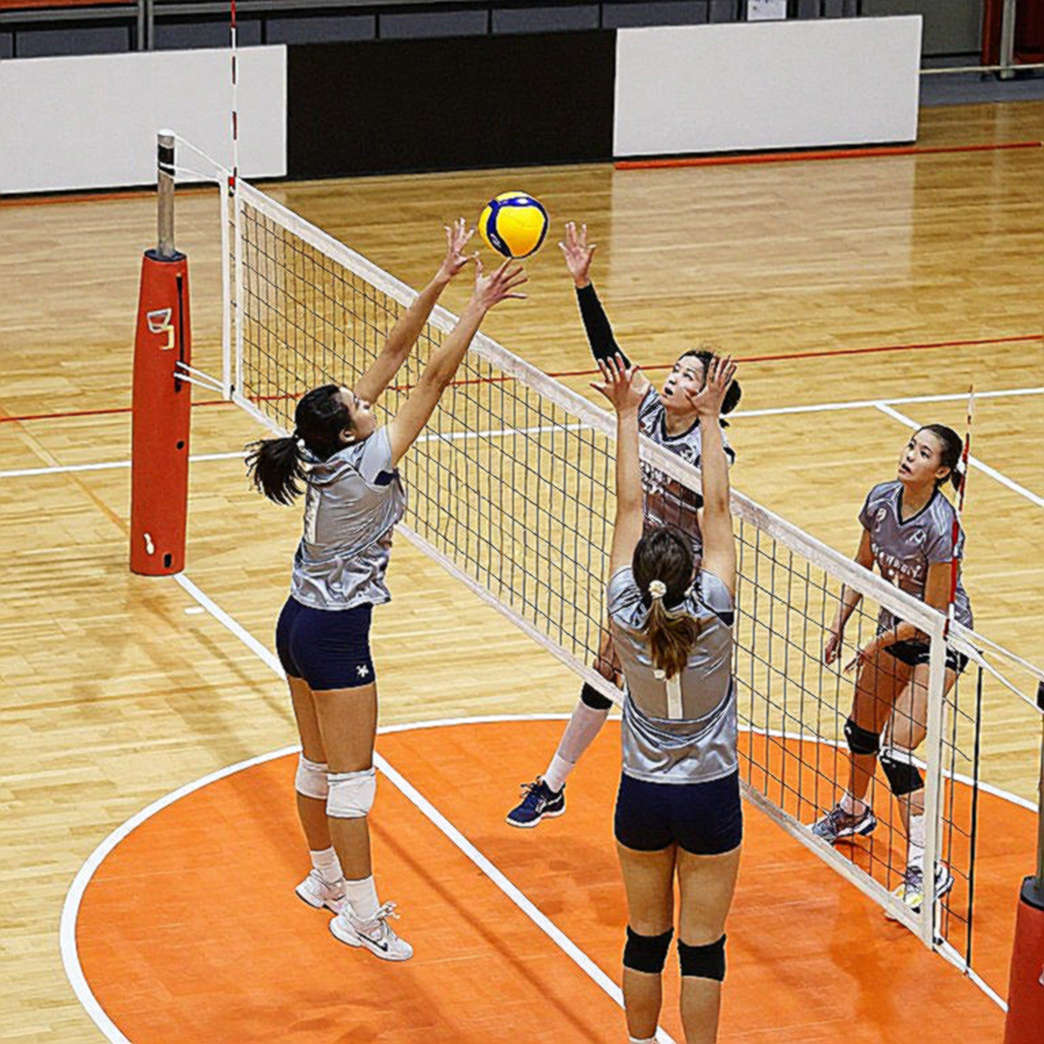
But read the words closely and almost everything circles around results and feelings. Win, and the writing is about spirit. Lose, and it is about tears. People remember a spiker who scored twenty points, and forget that those twenty points could not exist if the first pass kept collapsing. Volleyball is a sport where every rally must pass through three compulsory touches: reception, set, finish. No one scores alone. Yet the only statistics sheet we have credits the last person to touch the ball.

When data is missing, we do not lose information. We lose the ability to judge fairly.
What is buried under the blank space
Based on my experience watching these matches, the heaviest consequence is that defensive positions become invisible. A libero does not score. Nguyen Thi Kim Lien stands behind the block, absorbs the heaviest serves, and lifts the ball to exactly the height the setter needs. No cell on that sheet records any of it. A libero who plays well all season can finish the year without anyone mentioning her name. The person who gets remembered is the spiker who finishes an out-of-system ball — and she knows perfectly well that she just received a broken pass.
The next consequence concerns how tactics are read. To judge whether a team has a sound system, you have to look at the perfect-pass rate: the share of balls delivered to the exact spot that lets the setter open the full attacking menu. That figure determines how many rallies a team can play in-system and how many it must survive out-of-system. It also determines whether the setter is forced to keep pushing the ball to the wing. Without it, every tactical argument becomes an argument about feeling.
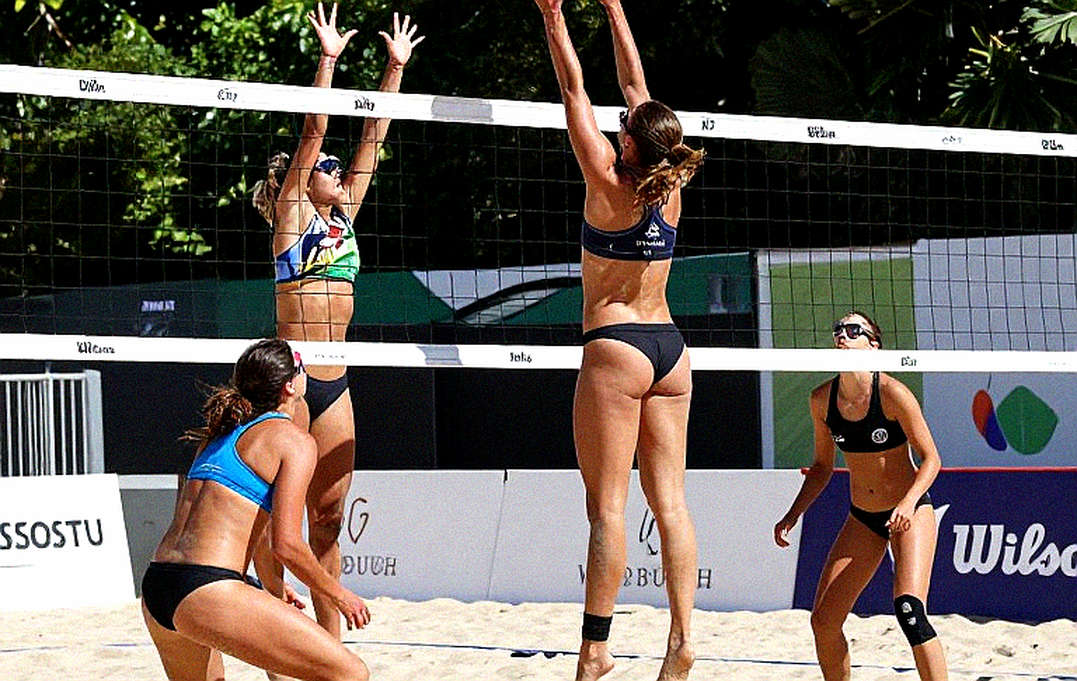
Then comes rotation structure. A team dependent on a single attacking option exposes itself in precisely the rotations where that spiker sits in the back row. The net in front is almost empty, and the opponent only has to read one direction. The root lies in structure, not in the players' nerve. But proving it requires attack-efficiency tables broken down by rotation — something no domestic women's competition publishes in full. So the debate around the national team always stops at "who played well" and never reaches "which system is breaking."
There is another consequence that is discussed even less: the players' own ability to read data. When Vietnamese players go abroad, they must get used to coaching staff handing out analytical sheets before every match, not to praise or blame but to adjust. At home, most female players have never seen such a sheet about themselves. They are taught to feel the match through their bodies, and that is valuable. But when they step onto the international stage, people ask them questions in a different language.
I once stood in a press room at the 2026 SEA Games, the only female reporter in the mixed zone. An assistant coach from the opposing team laughed and asked what I was doing there. I opened my laptop, replayed a rally from minute 58 and pointed out a mispositioned defender. He went quiet. In the darkness of the press room, I learned to read between the questions — and learned that evidence, presented in the right place, carries more weight than any retort.
The counter-intuitive view: demanding data can be a trap
A very reasonable conclusion is spreading: if women's volleyball is to be respected, it first needs data. I do not entirely believe that.
Data does not create fairness on its own. It amplifies the way we already look. If a sporting culture still assumes that a female athlete's value lies in her appearance, her private life, or how she balances family and career, then a detailed statistics sheet only makes that prejudice look more scientific. People will pick the few lines they like and ignore the rest.
At the commercial level, data is a sales tool. Sponsors want good figures to place a logo on a shirt. But what keeps a female player in the game through her tenth season is usually competitive value — the feeling of being seen in the position she actually occupies. The two do not automatically travel the same road. Some competitions are better funded and publish fuller statistics, while the way people look at female athletes has not changed at all.
Their silence is not agreement; it is a statement. And a statement only means something when someone truly reads it.
What is shifting
Real change is happening in small places. A few clubs have begun hiring people to record statistics, even if only for a handful of home matches. Some coaches build tracking sheets by hand after every training session. Some young players now ask for their own data after a tournament, something that almost never happened ten years ago. Those quiet women do not need glory; they need a society that knows how to look.
Gender equality in sport is a match with no final whistle. No set ends it for good — only seasons following seasons, and in each one, a little more data recorded and a gaze corrected.
My drawer still has room. I am waiting for the next statistics sheet — to see whether this time someone finally sat down and counted.