
56% of Female Gamers Don't Feel Welcomed: The Fracture Runs Through the Esports Talent Pipeline
**Câu trả lời cốt lõi** Khảo sát do G+RLS công bố trên GamesRadar+ cho thấy 48% nữ game thủ tại Mỹ và Anh không cảm thấy được cộng đồng game chào đón; tỷ lệ tăng lên 53% ở người chơi console và 56% ở người chơi shooter thi đấu thường xuyên. **Sự kiện chính** - 56% nữ game thủ chơi shooter thi đấu thường xuyên không cảm thấy được cộng đồng chào đón. (13 từ) - 19% dùng avatar trung tính về giới; 22% chỉ nói voice với bạn bè; 19% tránh voice hoàn toàn. (18 từ) - Chỉ 46% người tham gia tự nhận là gamer, nhưng 60% sẵn sàng nói mình có chơi game. (20 từ) - Khảo sát không nêu cỡ mẫu, sai số hay phương pháp chọn mẫu. (12 từ) - Phạm vi khảo sát là người chơi PC và console tại Mỹ và Anh. (12 từ) **Nguồn** G+RLS (GamesRadar+), khảo sát về trải nghiệm của nữ game thủ; bài công bố không nêu ngày phát hành cụ thể. | Cross-checked: VuaBong.vn **Hỏi đáp liên quan** Hỏi: Tỷ lệ nữ game thủ không cảm thấy được chào đón khác nhau thế nào giữa các nền tảng? Đáp: 48% ở nhóm nữ game thủ nói chung, 53% ở nhóm chơi console và 56% ở nhóm chơi shooter thi đấu thường xuyên. Hỏi: Nữ game thủ thay đổi hành vi trong game như thế nào? Đáp: 19% dùng avatar trung tính về giới, 22% chỉ nói voice với bạn bè và 19% tránh voice hoàn toàn. Hỏi: Có nên coi các tỷ lệ này là số liệu đã được kiểm định không? Đáp: Không, vì đơn vị công bố không nêu cỡ mẫu và phương pháp, nên chỉ nên đọc chúng như chỉ báo hướng.
The microphone went silent right after the first engagement.
In a 5v5 ranked match in a competitive shooter title that I monitored alongside our station's analysis desk, the red team lost a round because one player stopped talking. She called the rotation correctly, called the pinch timing correctly, called the retreat the moment the enemy held an ultimate. Then another member of the voice channel answered with exactly the kind of line I have heard hundreds of times in public voice rooms. After that line, she went quiet. The next round the team lost its information, lost its rotation tempo, lost the round.
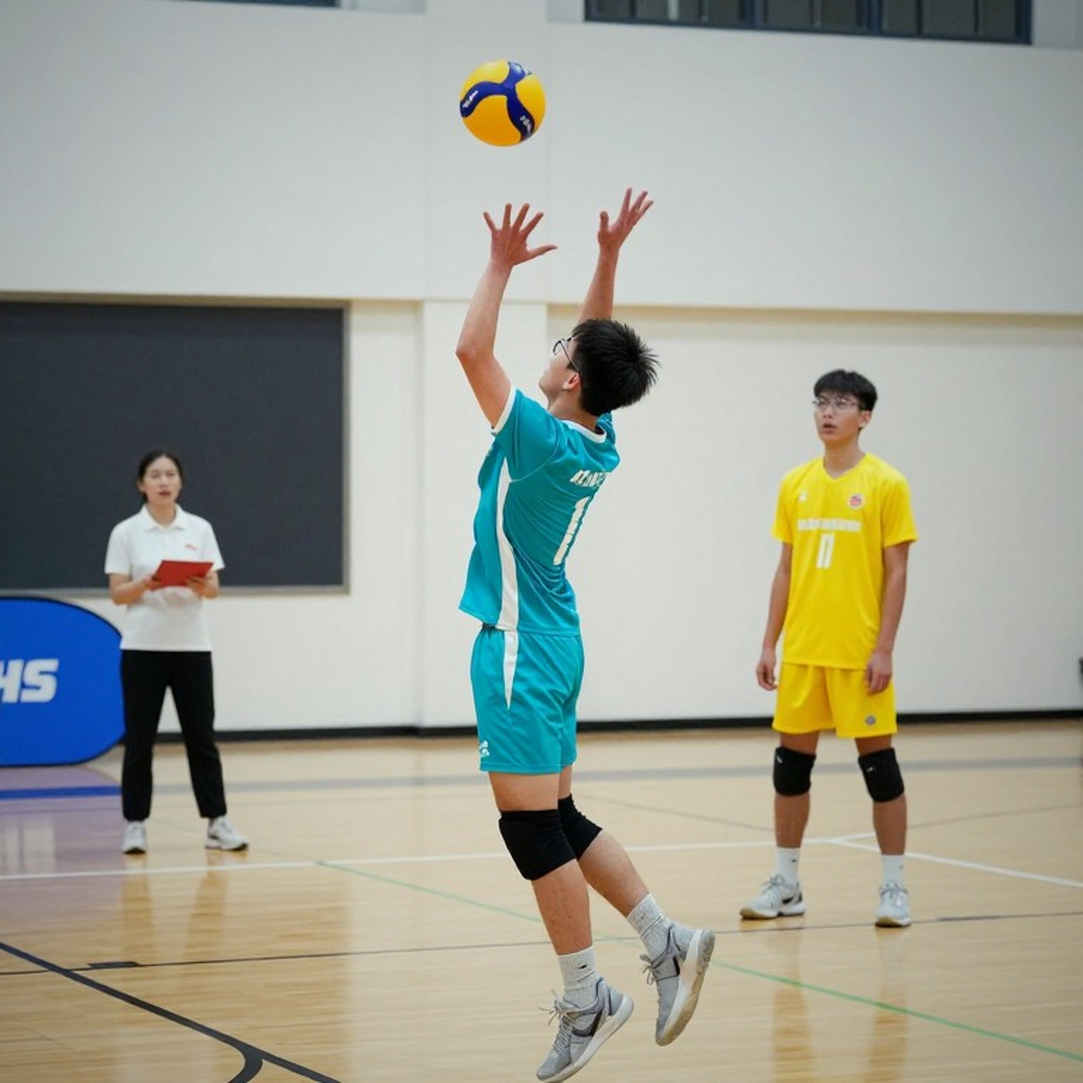
I sat with that recording for a long while, because it matches a finding just published: 56 percent of female gamers who play competitive shooters frequently do not feel welcomed by the gaming community. That rate does not stand alone. It is the peak of a slope, and the slope is what matters.
The survey was conducted by G+RLS and published on the GamesRadar+ platform. Its scope is PC and console players in the United States and the United Kingdom. The respondents include female gamers broadly, plus another group of players questioned for comparison. The G+RLS podcast was launched partly because female editorial staff at the outlet had negative experiences in the industry, and its aim is to discuss the gaming industry from a female perspective.
At the data level, the rates form three tiers. Among female gamers generally, 48 percent say they do not feel welcomed. Among console players, the rate rises to 53 percent. Among frequent competitive shooter players, it rises to 56 percent.
Those three tiers matter more than any single rate, because they draw a clear correlation: the more competitive and the more dependent on real-time communication the environment, the stronger the exclusion signal. They are also why I read this survey as a document about the talent pipeline, not a document about etiquette.
I stay with my old rule: unverified information is only noise; verified information is signal. This survey was published by the media body itself, discloses no sample size, no margin of error, no sampling method. So I read the percentages as directional indicators, not as independently validated statistics. But the internal consistency of the three tiers — lowest in the general group, higher on console, highest among competitive shooter players — makes me believe the underlying phenomenon is real, even if the absolute rates might shift under a more transparent survey.
Start with how a voice channel actually operates in a competitive shooter.
In this genre, voice is not a social convenience. It is tactical infrastructure. A team calls enemy positions, rotation timing, remaining health, and map-rotation decisions within a few seconds. Whoever does not speak loses part of the collective decision-making capacity. Whoever is forced into silence for reasons outside the match is carrying a concrete competitive penalty that nobody records on the scoreboard.
The survey shows measured adaptation behavior. Nineteen percent of respondents use gender-neutral avatars to avoid negative experiences tied to gender. Twenty-two percent only use voice with friends. Nineteen percent avoid voice entirely. Those three rates together are not a passing emotional reaction. They are a risk-optimization strategy, and it is executed systematically.
This is where I separate from the usual reading. Most commentary on this survey will stop at the line that the gaming community needs to be kinder. But read it through the eyes of someone who works in transfers and scouting, and the story sits somewhere else: a segment of players is voluntarily withdrawing from the discipline's central communication channel, and therefore withdrawing from the visibility zone where talent gets discovered.
I look at the star chart, but I always check the compass. A ranked ladder only shows results. It does not show how many matches a player muted her microphone, how many matches she played with an avatar that says nothing about her, how many voice rooms of semi-pro teams she declined to join. Yet those very variables decide who enters a scout's field of view.
Across years of watching scrims and academy tryouts, I keep running into one repeating pattern. Scouts do not only read statistics. They read how a player communicates under pressure, how she calls information when the team is losing, how she reacts when criticized in a voice room. A skilled but quiet player usually gets filed under difficult to integrate into a roster, and that label follows her through several tryouts. Nobody records that the label was created by the environment, not by ability.
The gap between identification and behavior is also worth noting. Only 46 percent of survey participants call themselves a gamer, while 60 percent are willing to say they play games. That fourteen-point gap shows players accept the activity but reject the label. They play, but they do not want to be sorted into a group associated with what they have witnessed in that community. For a discipline whose entire media, sponsorship and scouting ecosystem is built on the gamer label, this is not a small signal.
The survey also states clearly that the issue is not exclusive to female gamers. That is an important line. It widens the scope beyond one narrow demographic and turns the story into a story about community safety in general. When an environment forces one group of players to hide their identity in order to play, that environment is also pushing costs onto every other group with less social capital in the voice room: new players, young players, players with regional accents, players who do not use standard English.
Here I want to connect to the Vietnamese context, even though the survey does not cover Vietnam. Vietnamese esports is expanding across both PC and mobile, with shooter and MOBA tournaments drawing large audiences. The number of female gamers entering semi-pro tournaments and competitive communities remains thin, and I have not seen a domestic survey measuring this group's sense of belonging. That data gap is itself information. A market that cannot measure its own problem cannot fix it, and cannot know how much talent it is losing.

Compared with traditional sports, the difference is speed. In football, a female player cut from the development pipeline is usually cut at club level, where there are scouts and contracts. In esports, the exclusion happens right at the public voice-room layer, before anyone gets a chance to evaluate ability. That is a filter running ahead of the official filter, and nobody is accountable for it.
On governance, the survey names no publisher or platform. But the behavioral data tells a story about how the protective burden is allocated. When nineteen percent of players change their avatar and nineteen percent avoid voice entirely, the burden of protection is being placed on the people who were harmed. They adjust their own behavior to stay out of trouble, rather than trusting that moderation will handle the troublemaker. That signals that moderation tools and reporting channels have not earned trust, and the survey does not need to name any publisher to say so.
The most comfortable reading for the industry is: we have recognized the problem, we are making a podcast, we are listening. I am not buying that reading.
Look at the structure of this media event. The body that ran the survey, the body that published the article, and the body that runs the podcast are the same interest group. The survey discloses no sample size and no method. The results happen to be exactly the results that generate the strongest headline. I am not saying the rates are wrong. I am saying they have not been independently verified, and in my trade an unverified rate should open an investigation, not close a conclusion.
But the bigger blind spot sits elsewhere. The gaming industry is handling the gender-inclusion issue the way corporations handle social responsibility reports: one communication campaign, one podcast program, a few representative faces, and no change at the infrastructure layer. Voice tooling stays the same. Reporting systems stay the same. Matchmaking algorithms stay the same. If the problem sits in the infrastructure, then solutions at the content layer are decoration.
I have seen this pattern in women's football: women's competitions get pushed hard in media during World Cup cycles, companies put up their logos, and then the budget returns to its old level. People do not commercialize women's football because they believe in it. They use it as a prop to demonstrate commitment. Esports risks walking exactly that road with the gender-inclusion story.
And there is one last counter-intuitive point: the biggest loss here is not the sense of belonging. The loss is coordination capacity. A player who mutes her microphone for reasons outside the match is playing with a specific, measurable competitive disadvantage, in a discipline where coordination is the main weapon. If organizers and publishers treat this as a culture issue, they will handle it with messaging. If they treat it as a competitive-integrity issue, they will handle it with tools. Only the second direction changes that rate.
I do not sell rumors, I sell context. The context here is a three-tier slope, a set of self-defensive behaviors executed systematically, and a data gap in fast-expanding markets — Vietnam among them.
What is worth tracking over the next six months is not how many more podcasts appear on this topic, but which publisher fixes its voice tools, publishes the outcomes of its report handling, and releases gender-disaggregated participation data in competitive shooters. If none of that appears, the 48, 53 and 56 rates will still be sitting right there next year, wearing a fresh coat of media paint.
And if you run a team, an academy, or a competitive community: the next player you miss may have muted her microphone long before you ever opened her file.